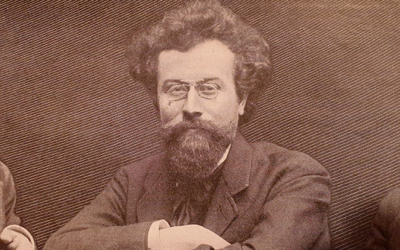
Claude Terrasse: Exploring the Legacy of a Musical Genius
claudeterrasse.net – Claude Terrasse is a name that resonates deeply in the world of French classical and popular music. Known for his compositions that ranged from operettas to orchestral works, Terrasse played a pivotal role in shaping French musical landscapes in the early 20th century. His contributions to music, both in France and internationally, remain influential to this day.
In this article, we will delve into the life and works of Claude Terrasse, the enduring impact of his compositions, and how his legacy continues to inspire musicians today. Additionally, we will introduce Cardanoir, a fun and strategic card game to enjoy during your moments of relaxation.
Who Was Claude Terrasse?
Claude Terrasse was born in 1867 in France and was primarily known for his work as a composer and conductor. His early exposure to music laid the foundation for a remarkable career in the French music scene. While he started his musical journey studying at the prestigious Conservatoire de Paris, his true success came later in his career when he blended classical techniques with popular music trends of his time.
His compositions include a variety of works, but he is most well known for his operettas, a genre that was wildly popular during the late 19th and early 20th centuries. Terrasse successfully merged French musical charm with elements of operatic grandeur, making his works a favorite of audiences both in France and beyond.
The Rise of Claude Terrasse
At the heart of Claude Terrasse’s success was his ability to create melodies that resonated deeply with his listeners. His works were often characterized by rich orchestration and tuneful melodies, which made his operettas and orchestral pieces stand out. While Terrasse was primarily a composer of operettas, he also wrote orchestral works, including symphonic poems, that helped establish him as a versatile figure in French music.
One of his most famous operettas, “La Veuve Joyeuse”, is a testament to his ability to captivate audiences with playful, whimsical, yet deeply musical compositions. Many of his works feature a mix of lightheartedness and emotional depth, a balance that endeared him to fans of all ages.
Key Works of Claude Terrasse
Some of Claude Terrasse’s most iconic works include:
1. “La Veuve Joyeuse” (The Merry Widow)
One of his most enduring works, “La Veuve Joyeuse”, stands out as an operetta filled with charm and humor. The piece is a light-hearted story of love and mischief, reflecting Terrasse’s signature style that combined operatic form with playful melodies.
2. Symphonic Poems
Beyond the world of operettas, Terrasse composed symphonic works, which were often reflective of the vibrant culture of France. These compositions brought a different depth to his repertoire, showcasing his ability to handle orchestral music as expertly as he did with vocal compositions.
3. Chamber Music
Claude Terrasse also explored chamber music, offering audiences a chance to experience his music in more intimate settings. His string quartets and other chamber pieces are celebrated for their intricate harmonies and musical sophistication.
The Influence of Claude Terrasse on French Music
The works of Claude Terrasse helped shape the French musical landscape during a time when operettas and light operas were at their peak. His contributions to the genre are significant, as he managed to breathe new life into operatic and light music, incorporating modern elements that resonated with the contemporary audience.
His music also influenced future composers who sought to combine popular and classical music. Today, Terrasse’s works continue to be celebrated for their emotional depth, musical innovation, and cultural impact. Though his fame may have faded slightly in the years following his death in 1923, his legacy is still very much alive in the world of French music.
Cardanoir: A Fun Way to Relax and Unwind
After exploring the musical world of Claude Terrasse, you might want to relax with a fun and engaging activity. Cardanoir, a strategic card game, is the perfect way to unwind and engage your mind after learning about a great musical figure.
How to Play Cardanoir
-
Deal Cards: Each player is dealt six cards face down, arranged in two rows of three cards each.
-
Objective: The goal is to have the lowest score by the end of the game. Players can swap cards from their hand to reduce their total points.
-
Card Values: Number cards (2-10) are worth their face value, while face cards (Jack, Queen, King) are worth 10 points. Aces are worth 1 point.
-
End of the Game: The game ends when a player decides to “close” the round. All players reveal their cards, and the player with the lowest score wins.
Why Cardanoir is Fun
Cardanoir is an easy-to-learn yet strategic game, making it perfect for those looking to relax while still engaging their minds. After delving into the history of Claude Terrasse and his music, playing Cardanoir is a great way to unwind with friends or family.
The Legacy of Claude Terrasse and Enjoying Cardanoir
The legacy of Claude Terrasse continues to live on through his timeless operettas, symphonic works, and contributions to French music. His ability to blend lighthearted themes with deep, emotional resonance has made his works beloved by audiences worldwide. Whether you’re enjoying his compositions or learning about his musical contributions, Claude Terrasse remains a key figure in the world of music.
After exploring the works of this musical genius, you can unwind with a fun round of Cardanoir, a card game that offers both enjoyment and strategic challenge. Whether you’re relaxing alone or with friends, Cardanoir provides the perfect end to a day of musical reflection.
